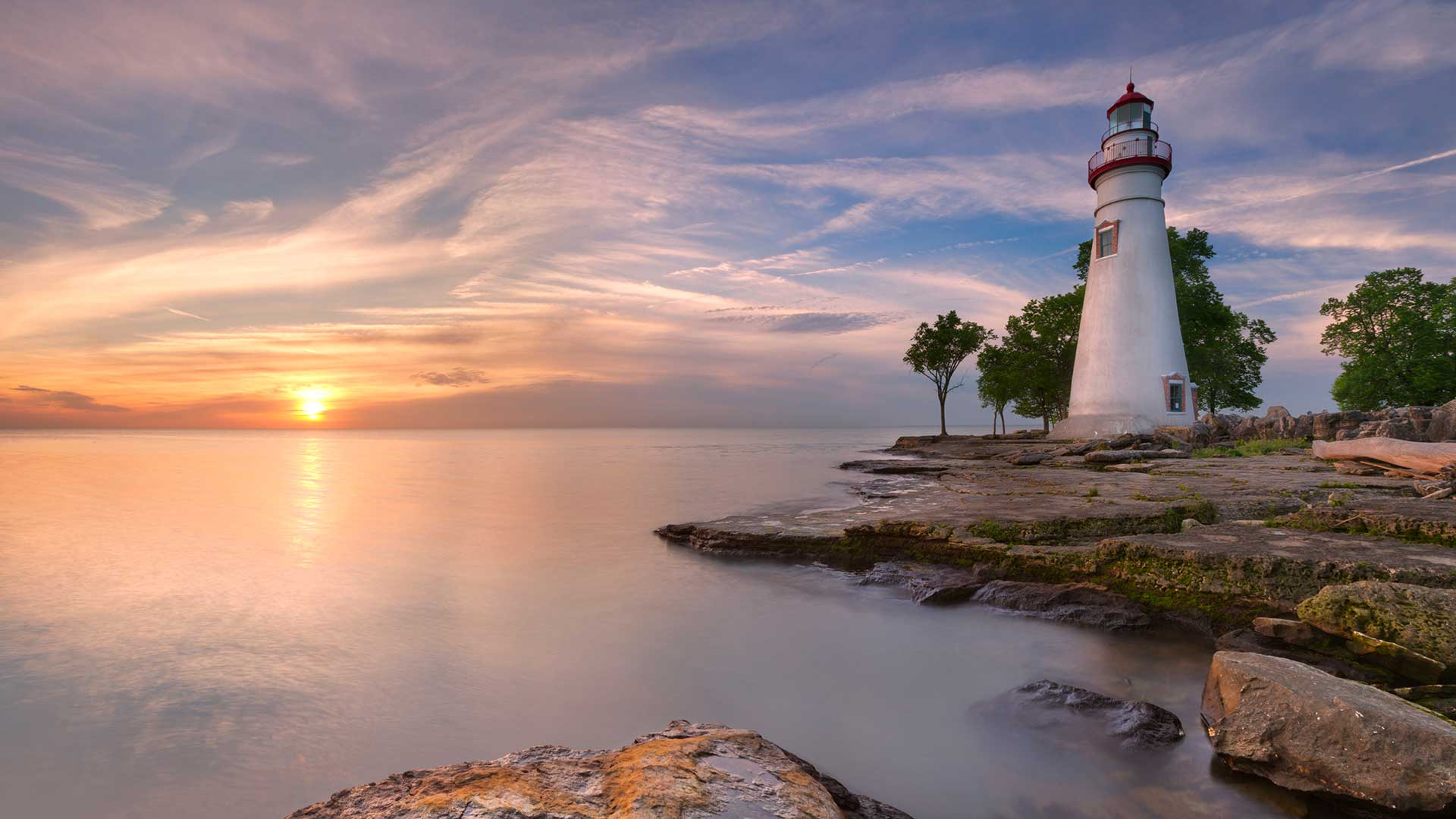

Erielhonan
Lake Erie is the shallowest, warmest, and smallest Great Lake by water volume. It forms part of the border between Ontario, Canada, and the U.S. states of Michigan, Ohio, Pennsylvania, and New York. Its broad but relatively shallow basin—averaging about 62 feet deep—lets the water warm quickly each spring and summer, creating conditions that support especially productive fisheries and diverse aquatic life.epa+1
The lake stretches about 241 miles from west to east and flows into the Niagara River, whose water continues over Niagara Falls into Lake Ontario. Lake Erie’s shoreline includes lively cities such as Detroit, Toledo, Cleveland, Erie, and Buffalo, as well as beaches, wetlands, vineyards, and island communities. It is a vital source of drinking water, recreation, shipping, and commercial fishing, while also facing ongoing challenges from nutrient pollution, harmful algal blooms, invasive species, and changing climate conditions.
A few facts

It’s the shallowest of the Great Lakes.
Lake Erie averages only about 62 feet deep, so it warms faster in summer—and freezes over more often in winter—than the other Great Lakes.
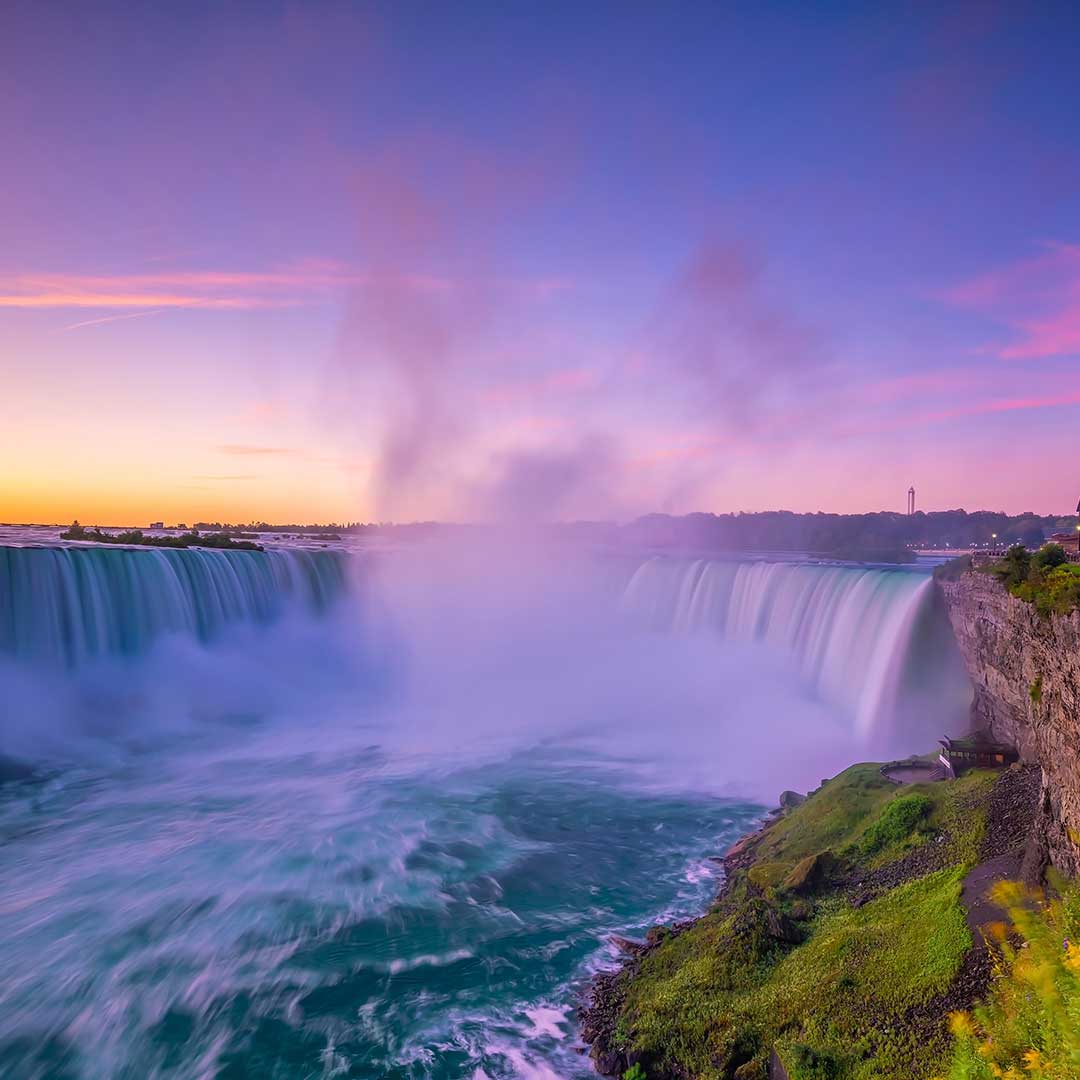
It helps power Niagara Falls.
Water from Lake Erie flows into the Niagara River, then plunges over Niagara Falls on its way to Lake Ontario.somethingcatchycharters
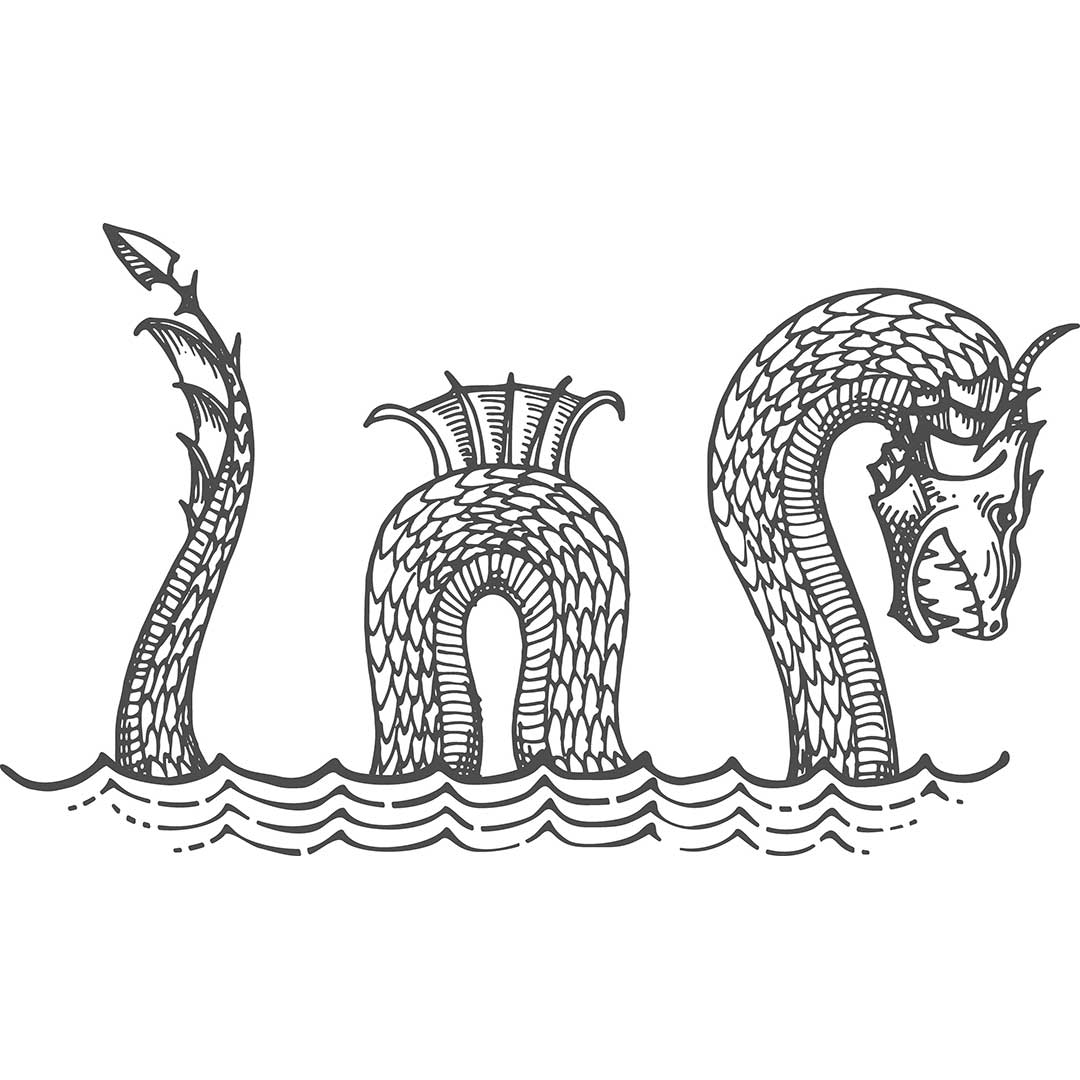
It has a legendary lake monster.
“Bessie” is Lake Erie’s long-running sea-monster legend; many sightings are more likely explained by large fish such as sturgeon.